
Seasonal HVAC Tune-Ups for Better System Efficiency
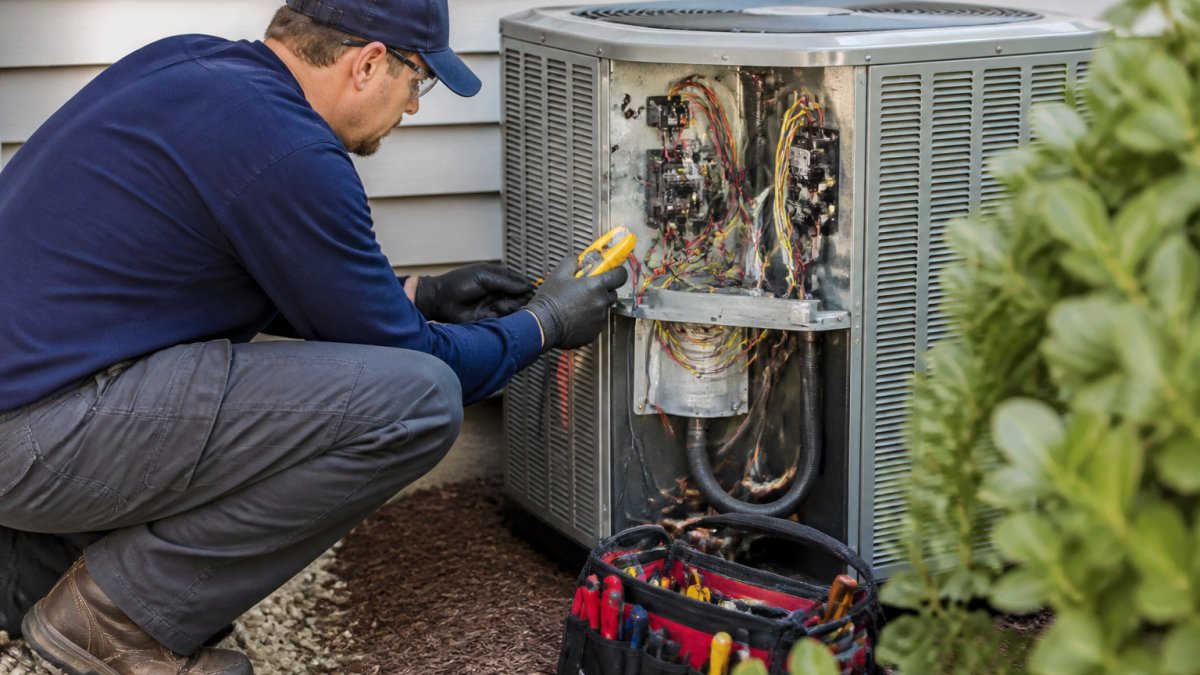
Table of Contents
- Why Seasonal HVAC Tune-Ups Matter for System Efficiency
- Your Seasonal HVAC Maintenance Checklist
- When to Schedule an HVAC Tune-Up
- How to Improve HVAC Efficiency Between Professional Visits
- Professional HVAC Tune-Up Cost: What to Expect
- Warning Signs That Need Repair, Not Routine Maintenance
- Conclusion: Reliable HVAC Service Starts with a Schedule
- Frequently Asked Questions
Last Updated: October 14, 2026
Why Seasonal HVAC Tune-Ups Matter for System Efficiency
Seasonal HVAC tune-ups are scheduled maintenance visits that clean, inspect, and adjust your heating and cooling equipment before each season of heavy use. The U.S. Department of Energy guidance on home heating and cooling notes that heating and cooling make up the largest share of a typical home's energy use, which is why small drops in system efficiency show up fast on utility bills.
A neglected system works harder to do the same job, costing money monthly and shortening equipment life.
Most of that decline is preventable. Below: what a tune-up does, how to prepare, and how to tell maintenance from a real repair.
How Tune-Ups Improve Energy Efficiency and Lower Utility Bills
A technician cleans components, checks refrigerant or fuel levels, and adjusts moving parts. A clogged filter or dirty coil forces longer cycles and higher energy consumption.
The ENERGY STAR program on seasonal maintenance points out that proper maintenance keeps equipment running at its rated efficiency. Skip it, and you slowly lose the performance you paid for.
What improves after a tune-up:
- Airflow moves freely through clean filters and coils
- The system reaches your set temperature faster
- Run cycles get shorter, so energy use drops
Preventing Unexpected Breakdowns and Extending Equipment Lifespan
A worn belt, loose connection, or low refrigerant starts small and is caught during a routine visit. Left alone, each becomes a mid-winter failure and an emergency repair bill. Regular service also extends lifespan: equipment with annual attention tends to last years longer than neglected units.
Your Seasonal HVAC Maintenance Checklist
A good HVAC maintenance checklist splits into cooling prep in spring and heating prep in fall. The table below gives the overview; the sections that follow break down what a technician inspects, cleans, tests, and adjusts, plus what you can safely do yourself.
| Season | System Focus | Key Tasks | Best Timing |
|---|---|---|---|
| Spring | Air conditioner, heat pump | Clean coils, check refrigerant, test thermostat | Before first warm spell |
| Fall | Furnace, boiler | Inspect heat exchanger, clean burners, test safety controls | Before first cold snap |
What You Can Safely Do Before the Technician Arrives
A tune-up goes faster and costs less when easy items are handled first. These four tasks are safe for any homeowner:
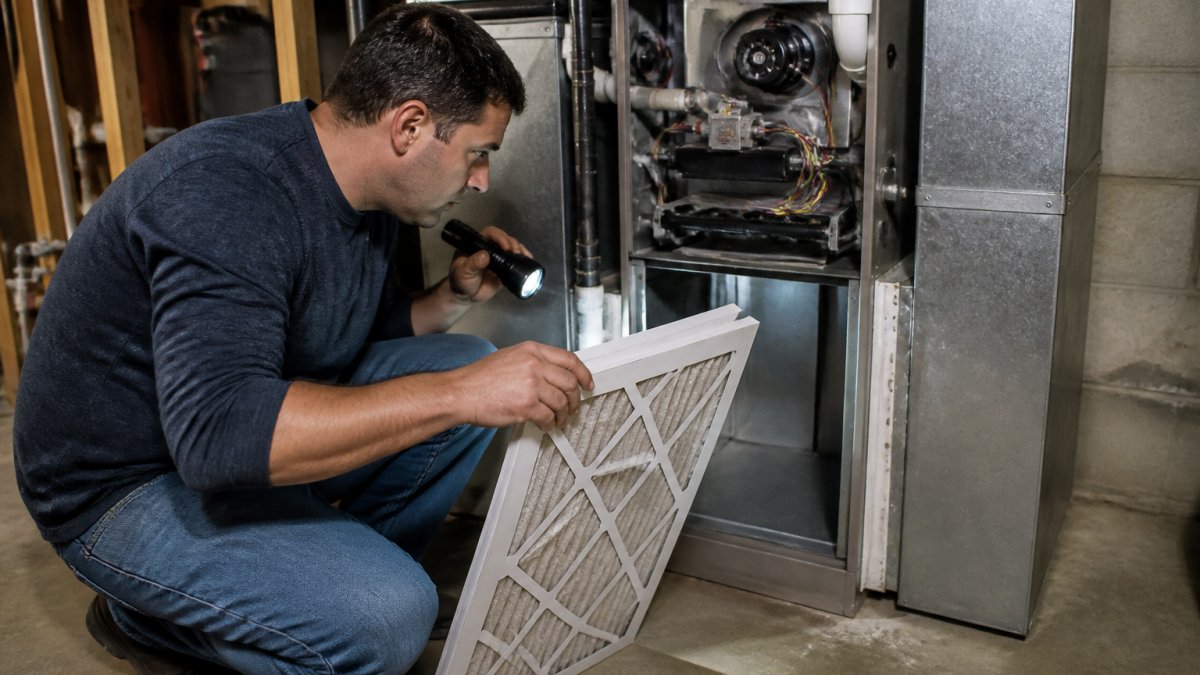
- Replace or clean the air filter. A one-inch pleated filter is the most common residential size. Check the arrow on the frame, it points toward the blower.
- Clear the outdoor condenser. Remove leaves, grass clippings, and debris from the top and sides. Trim shrubs back at least two feet so the unit can pull air freely.
- Check the condensate drain pan and line. Standing water or slime signals a clogged drain line, a common cause of mid-summer shutdowns.
Do not open the furnace cabinet, disconnect gas or fuel lines, or handle refrigerant, those require training, tools, and often a license.
Spring and Summer Cooling System Checklist
Spring prep readies your cooling system for the hottest weeks. A technician will typically:
- Clean the outdoor condenser coil. Dirt raises head pressure and forces the compressor to work harder.
- Check refrigerant charge and look for leaks. Both undercharge and overcharge reduce capacity and efficiency. A technician verifies charge against the manufacturer's specification, not by feel.
- Test the thermostat and controls. This includes verifying the anticipator or cycle rate so the system isn't short-cycling.
Fall and Winter Heating System Checklist
Fall prep protects you before the cold. For a furnace or boiler, a technician will typically:
- Inspect the heat exchanger for cracks. This is the single most important safety check on a fuel-burning furnace. Cracks can allow combustion gases into the supply air.
- Clean burners and check the flame. A healthy natural gas flame is blue and steady. Yellow, lifting, or flickering flames point to a combustion or airflow problem.
- Test safety controls and the ignition system. This includes the flame sensor, limit switch, pressure switch, and rollout switch.
For oil and gas heating, safety inspections matter most: a cracked heat exchanger or blocked flue can release carbon monoxide. That's not a homeowner job.
How the Checklist Changes by System Type
Broad tune-up advice misses real differences between equipment types:
- Central air conditioners and heat pumps share most of the spring checklist, but heat pumps also need the reversing valve, defrost controls, and auxiliary heat strips checked in fall.
- Gas furnaces need the heat exchanger, burners, and venting inspected every year. Skipping a year on an older furnace is where most carbon monoxide scares start.
- Boilers need the expansion tank, circulator pump, and pressure relief valve checked, plus a water-side flush if the system has a history of noise or poor heat distribution.
What the Technician Should Leave You With
A thorough tune-up ends with documentation. Ask for:
- The measured temperature split or temperature rise
- Refrigerant pressures or charge verification (cooling season)
- A list of any parts that are aging but not yet failing
That record lets you compare year to year and spot a system quietly losing efficiency.
When to Schedule an HVAC Tune-Up
Schedule a tune-up twice a year, spring for cooling, fall for heating, a few weeks before each season starts. Wait until the first hot day and every technician is booked solid, leaving you waiting days while your house heats up. Aim for:
- Spring cooling tune-up: late March to early May
- Fall heating tune-up: late August to early October
If your system is older or has had problems before, don't wait for the calendar. Get it looked at now.
How to Improve HVAC Efficiency Between Professional Visits
You can improve HVAC efficiency between professional tune-ups; small habits add up over a season.
Change your air filter every one to three months.
Keep the outdoor unit clear. Leaves, grass clippings, and debris block airflow around the condenser.
Seal and insulate ductwork where you can reach it. Leaky ducts waste cooled or heated air before it reaches your rooms.
Airflow, Air Filters, and Temperature Control
Set your thermostat to a consistent temperature. Big swings force the system to work harder to catch up. A programmable or smart thermostat handles this for you.
Close vents in unused rooms only if your system is designed for it. In many homes, closing vents actually raises pressure and hurts efficiency.
Professional HVAC Tune-Up Cost: What to Expect
Professional HVAC tune-up cost depends on system type, condition, and what the visit uncovers. A standard tune-up covers cleaning, inspection, testing, and adjustment; if a worn part is found, we quote the cost before touching it, no surprise fees.
What affects the price:
- System type (furnace, boiler, central AC, or heat pump)
- Whether it's a routine visit or a first-time deep clean
- Any parts that need replacing
A maintenance package spreads the cost across the year and locks in your two seasonal visits. That's usually the better deal for homeowners who plan to stay put.
For current pricing, see our Whole Home Comfort Systems pricing page for a clear quote.
Warning Signs That Need Repair, Not Routine Maintenance
Some problems go beyond a tune-up. A tune-up cleans, adjusts, and verifies, it does not replace failed components or correct design problems. Knowing which is which saves money and stress.
Symptoms That Point to a Repair Call
Call for repair, not maintenance, if you notice any of the following. The mechanism matters as much as the symptom:
- Banging, screeching, or rumbling. Banging often means an out-of-balance blower wheel or failed motor mount; screeching points to a dry or failing bearing; rumbling in a furnace can indicate delayed ignition, where gas builds up before it lights.
- Weak airflow from vents even with a clean filter. If the filter is new and airflow is still low, the restriction is elsewhere, a failing blower motor, a collapsed duct, or a closed damper. A tune-up can identify it, but correcting it is a repair.
- Short cycling, the system turns on and off rapidly. This can come from an oversized system, a failing thermostat, a refrigerant charge problem, or a clogged filter. The fix depends on the cause, and it's rarely just a cleaning.
What a Tune-Up Cannot Fix
A tune-up is preventive, not curative. It will not correct:
- A system that's undersized or oversized for your home. Sizing is a design issue; the fix is a load calculation and, often, new equipment.
- Ductwork that's badly designed or leaking throughout. Sealing accessible joints helps, but poor layout or widespread leakage needs a duct evaluation, not a tune-up.
- A failing compressor, cracked heat exchanger, or failed control board. These are part-and-labor repairs.
Repair or Replace? A Simple Way to Decide
Other signals that replacement deserves a serious look:
- The system is 12-15 years old or older and has needed two or more repairs in the past two years.
- The repair cost is more than half the price of a comparable new system.
- You're facing a refrigerant change.
When to Call for Emergency Service
Some situations can't wait for a scheduled visit:
- You smell gas or suspect a carbon monoxide leak.
- The furnace is producing no heat in freezing weather, or the AC is producing no cooling during a heat advisory.
- You see sparks, smell burning, or notice scorched wiring at the equipment.
For everything else, a scheduled diagnostic visit is usually the right call. A tune-up is the cheapest way to catch small problems early; a repair visit is what you book once a symptom shows up. Knowing the difference keeps you from paying emergency rates for something a routine visit would have caught.
Conclusion: Reliable HVAC Service Starts with a Schedule
Reliable comfort doesn't come from luck, it comes from a schedule you keep. Two tune-ups a year, a clean filter, and a watchful eye on warning signs keep your system running strong.
At Whole Home Comfort Systems, we've spent over 20 years helping South Shore homeowners improve system efficiency through seasonal tune-ups.
Request service with Whole Home Comfort Systems and get targeted comfort for every room, with no surprise costs.
Frequently Asked Questions
Are seasonal HVAC tune-ups worth the money?
Yes, for most homeowners. A tune-up keeps your system running at peak efficiency, which means lower utility bills and fewer surprise breakdowns. It also extends equipment lifespan, so you get more years out of the furnace or air conditioner you already own. During a tune-up, a technician cleans components, tests electrical connections, checks refrigerant levels, and verifies airflow. Catching a small issue early costs far less than an emergency repair in the middle of a cold snap or heat wave.
What does a seasonal HVAC tune-up include?
A typical tune-up covers cleaning, inspection, testing, and adjustment of system components. For cooling season, that means checking refrigerant charge, cleaning condenser coils, and testing the capacitor and contactor. For heating season, technicians inspect the heat exchanger, clean burners, test ignition, and verify safety controls. They also replace or clean the air filter, check airflow, and measure temperature differential. Ask for a written report so you know exactly what was checked and what may need attention later.
How often should an HVAC system be serviced?
Schedule service twice a year: once in spring for the cooling system and once in fall for the heating system. If you have a heat pump, it handles both heating and cooling, so it still needs two visits. Homes with older equipment, pets, or heavy dust may benefit from more frequent filter changes between visits. A maintenance schedule with a service agreement often includes priority scheduling and discounts on repairs, which helps when you need reliable HVAC service fast.
Can regular HVAC maintenance lower energy bills?
It can help. A dirty air filter, low refrigerant, or a failing capacitor forces your system to work harder, which raises energy consumption. Cleaning and adjusting components restores system efficiency closer to manufacturer specs. The savings depend on how neglected the system was and how severe your climate is. You may not see a dramatic drop, but you will likely avoid the slow creep of rising utility bills that happens as equipment degrades. Pair tune-ups with a smart thermostat and sealed ducts for bigger gains.
Need HVAC service in Mansfield, MA?