
South Shore Heating and Cooling: HVAC Guide 2026
Table of Contents
- South Shore Heating and Cooling: How to Choose a Provider
- Questions to Ask an HVAC Contractor Before You Hire
- What a Complete HVAC Installation Quote Should Include
- HVAC Maintenance Checklist for Homeowners
- HVAC Repair Cost: What Drives the Price
- Licensing, Insurance, and Warranty Coverage in South Shore Heating and Cooling
- Conclusion: Finding the Right South Shore Heating and Cooling Partner
- Frequently Asked Questions
Last Updated: October 16, 2026
South Shore Heating and Cooling: How to Choose a Provider
Choosing a provider for south shore heating and cooling starts with verification, not price. A qualified contractor holds a current state license, carries insurance, and will put a written estimate in your hands before any work begins.
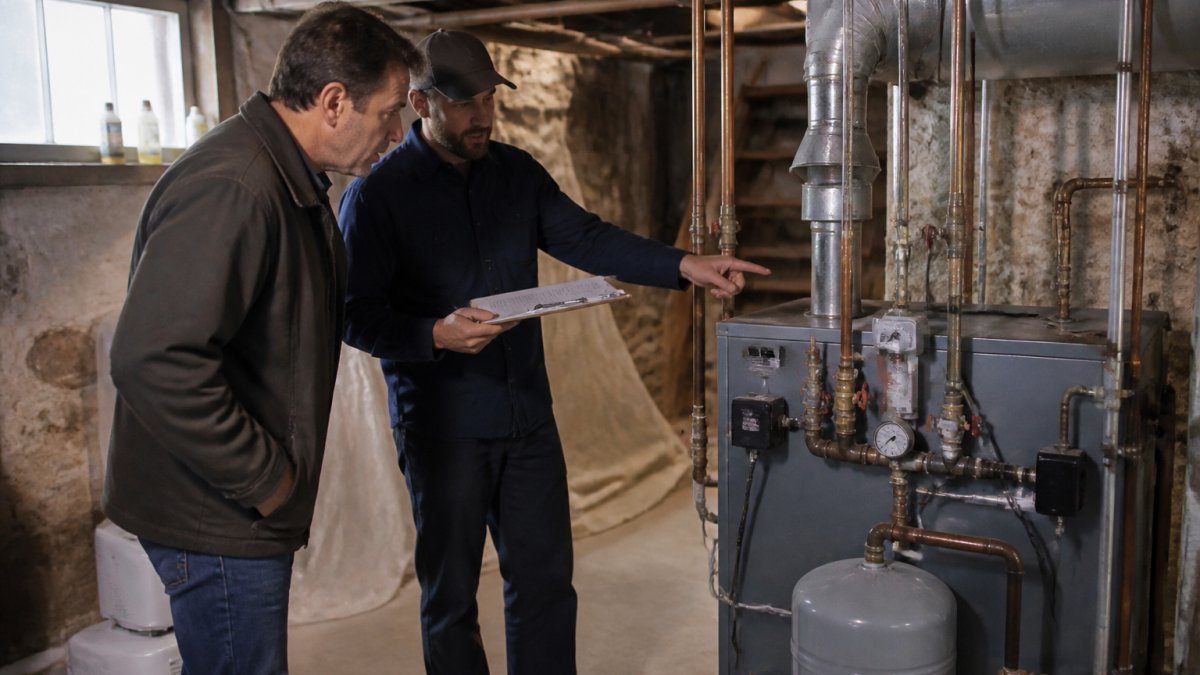
A service area claim means little on its own. According to the U.S. Department of Energy's guidance on selecting a contractor, homeowners should confirm licensing and request references before signing anything.
Use this short checklist before you call anyone:
- Confirm the license number and insurance certificate
- Ask whether estimates are free and written
- Get the service area and hours in writing
- Ask who handles warranty claims
Questions to Ask an HVAC Contractor Before You Hire
The most useful HVAC contractor questions are the ones that expose how a company operates, not just what it charges. Ask about emergency availability, estimate policy, and warranty terms in the first call.
Here is what to ask, and what a good answer sounds like:
| Question | What to Listen For |
|---|---|
| Are you licensed and insured? | A number you can verify, not a vague yes |
| Is the estimate written and free? | A clear yes, with line items |
| Do you offer 24/7 emergency repairs? | A real dispatch process, not a promise |
| What warranty covers the work? | Parts, labor, and duration stated plainly |
A contractor who hesitates on any of these is telling you something. The U.S. Environmental Protection Agency's Section 608 certification program sets the standard for refrigerant handling, so ask whether technicians hold current certification.
The question most homeowners forget: which company are you actually calling?
"South Shore heating and cooling" is not one business. Search results for this phrase point to unrelated companies that happen to share a regional name, one in a coastal Florida metro, one in southeastern Wisconsin, and one serving the South Shore of Massachusetts.
Ask for these five identifiers on the first call and write them down:
- Full legal business name, not just the trade name on the truck.
- State license number, and the state that issued it. A license in one state does not authorize work in another.
- Physical street address, a P.O. box or a "serving the area" line is not an address.
- Direct phone number, the one that rings at the dispatch desk, not a call-tracking number that routes to a lead broker.
- Official website domain, the site that lists the same address and license number you were given.
If those five items do not line up across the phone call, the website, and the estimate, stop. Mismatched identifiers are the most common sign that you are talking to a lead-generation service rather than the contractor who will send a technician.
Questions that separate service scopes
Companies under a similar name often advertise very different scopes of work. One may run heating, cooling, and plumbing; another may add electrical; a third may specialize in hydronic and oil-fired systems. Ask directly:
- Do you perform the work in-house, or subcontract any portion? Subcontracted electrical or ductwork changes who warranties that portion.
- What fuel types do you service? Natural gas, propane, oil, and electric systems require different technician qualifications.
- Do you handle both residential and commercial? A company that does both may have separate dispatch and pricing for each.
- What is your actual service radius, and do you charge a trip fee outside it?
Questions about estimates and credentials
- Is the estimate free, and is it written? A verbal range is not an estimate.
- Does the estimate include permit fees and disposal? If not, ask for a revised version.
- Who files the permit? In most jurisdictions the licensed contractor pulls the permit; if the homeowner is asked to, that is a warning sign.
- Which certifications do your technicians hold? EPA Section 608 covers refrigerant handling. Oil-fired equipment and gas appliances carry their own credential expectations.
A good contractor answers all of these without hesitation and offers documentation. A vague answer on licensing, insurance, or warranty is not a communication style, it is a risk signal.
What a Complete HVAC Installation Quote Should Include
A complete HVAC installation quote lists equipment, labor, permits, and disposal as separate lines. If your quote is a single lump sum with no breakdown, ask for a revised version before you sign.
An itemized quote should show:
- Equipment make, model, and efficiency rating
- Labor hours and rate
- Permit fees and inspection costs
- Removal and disposal of the old system
This matters because the cheapest headline number often hides the largest extras. For a heating and cooling service of this size, the difference between two quotes is usually in what one of them left out.
HVAC Maintenance Checklist for Homeowners
An HVAC maintenance checklist turns a vague "get it serviced" into specific tasks you can schedule. Most homeowners skip this until something fails, which is exactly when repairs cost the most.
Use this checklist twice a year, before heating season and before cooling season:
- Replace or clean air filters every 1-3 months
- Clear debris from outdoor condenser units
- Check thermostat calibration and battery
- Inspect visible ductwork for gaps or tears
System maintenance is the cheapest form of repair. The U.S. Consumer Product Safety Commission's guidance on carbon monoxide safety recommends annual inspection of fuel-burning appliances, which is a strong reason to book a tune-up before the first cold snap.
HVAC Repair Cost: What Drives the Price
HVAC repair cost depends on four things: the part, the labor, the time of day, and the age of the system.
The main cost drivers:
- Parts availability. Common components are quick to source; older or discontinued parts take longer.
- Labor time. A straightforward swap takes minutes; a diagnostic hunt can take hours.
- Emergency timing. Nights, weekends, and holidays carry premium rates.
- System age. On an older unit, repair competes with replacement.
Ask for a diagnosis before authorizing work. A transparent contractor explains what failed, why, and what the options are. That is what straightforward pricing means in practice, and it is the difference between a repair bill you expected and one you did not.
How the cost drivers actually work
Each driver above has a mechanism behind it, and understanding the mechanism is what lets you evaluate a quote instead of just accepting it.
- Diagnostic fee. Many companies charge a flat trip and diagnostic fee that is credited toward the repair if you authorize the work. Ask whether the fee is credited, and whether it is waived if you decline the repair.
- Flat-rate versus time-and-materials pricing. Flat-rate pricing quotes a fixed price per task from a published book; time-and-materials bills actual hours plus parts markup. Flat-rate is easier to compare across companies; time-and-materials can be cheaper on simple jobs and more expensive on long ones.
- Parts markup. Contractors typically mark up parts above their cost. Ask whether the quote separates the part price from labor so you can see the markup.
- Refrigerant. Sealed cooling systems should not lose refrigerant. If a technician proposes a "top-off" without first finding and fixing the leak, that is a recurring charge, not a repair.
- After-hours multiplier. Emergency rates are usually a multiple of standard rates, not a flat surcharge. Ask what the multiplier is before you agree to an after-hours visit.
What a transparent estimate policy looks like
Pricing context is where most listings on this topic stay silent, so here is what to expect and what to ask:
- Free estimates on replacements, diagnostic fees on repairs. It is common for installation estimates to be free while repair visits carry a diagnostic charge. Confirm which applies before booking.
- Written, itemized quotes. Equipment, labor, permits, disposal, and warranty terms should appear as separate lines.
- No price until diagnosis. A reputable contractor will not quote a repair over the phone without seeing the system, because the same symptom can have very different causes.
- Change orders in writing. If the scope changes mid-job, the added cost should be documented and approved before the work continues.
- Payment terms stated up front. Ask about deposits, accepted payment methods, and whether financing is offered.
Questions to ask about any repair quote
- Is the diagnostic fee credited toward the repair?
- Is this flat-rate or time-and-materials?
- Is the part under a manufacturer warranty, and does that warranty cover labor?
- What is your labor warranty on this specific repair?
- If the same problem returns within the warranty period, what do you charge?
A contractor who answers these plainly is giving you the pricing transparency that most listings never provide. That transparency, not the lowest headline number, is what protects you from a bill you did not expect.
Licensing, Insurance, and Warranty Coverage in South Shore Heating and Cooling
Licensing, insurance, and warranty coverage protect you when something goes wrong, and they are the three items homeowners check least. A contractor without current insurance is a liability you inherit the moment work starts.
Confirm three things in writing:
- License. A current state license for the type of work being performed.
- Insurance. Liability coverage and workers' compensation, with certificates you can request.
- Warranty. Manufacturer warranty on equipment plus a written labor warranty from the contractor.
A specialist installation is only as good as the coverage behind it. If a company cannot produce a certificate of insurance, that is your answer. Warranties should be in writing and should state what is covered, for how long, and who pays for the labor if a covered part fails.
Conclusion: Finding the Right South Shore Heating and Cooling Partner
The hardest part of this decision is not finding someone who will answer the phone. It is finding someone who shows up when they say they will, quotes honestly, and stands behind the work after the truck leaves.
That is the standard we hold ourselves to at Whole Home Comfort Systems. We offer 24/7 emergency service, straightforward pricing with clear quotes before work begins, and over 20 years of local experience across Mansfield and the South Shore.
Frequently Asked Questions
How do I know a South Shore heating and cooling company will actually show up same-day for emergency repairs?
Ask the company directly about their emergency service policy before you need it. A reliable provider will confirm 24/7 availability, give you a realistic arrival window, and have licensed technicians on call. Whole Home Comfort Systems offers 24/7 emergency service with same-day availability for oil and gas furnace failures. Get their phone number and business hours in advance so you are not searching for contacts while your heat is out in January.
What should an HVAC installation quote include so I avoid surprise costs?
A complete HVAC installation quote should list equipment make and model, labor, any ductwork modifications, permit fees, and disposal of your old unit. It should also state whether the price is fixed or subject to change and what conditions would trigger a change order. Ask for the quote in writing and confirm it includes a warranty on both parts and labor. Whole Home Comfort Systems provides clear quotes before work begins so you know the full scope upfront.
Is it too late to start maintenance on a boiler that has not been serviced in over a decade?
It is rarely too late, but the first visit may uncover problems that developed over years without attention. A technician will inspect for carbon buildup, cracked heat exchangers, and worn components. Catching these early prevents a mid-winter breakdown and can restore some lost efficiency. Schedule a tune-up before heating season starts so any needed repairs can be done without emergency pricing.
How can I tell whether an HVAC contractor is qualified to work on my system?
Check for state licensing, liability insurance, and manufacturer certifications. In Massachusetts, oil burner technicians need a specific license, and EPA 608 certification is required for handling refrigerants. Ask for proof of insurance and confirm the company carries workers compensation coverage. A qualified contractor will provide these documents without hesitation and will stand behind their work with a written warranty.
When your furnace quits on a cold night, you do not want a callback queue. You want a technician at the door. Whole Home Comfort Systems provides 24/7 emergency repair, same-day service, and safety inspections for oil and gas furnaces, boilers, central AC, and ductless mini splits, all with clear quotes before work starts. Request service with Whole Home Comfort Systems and get targeted comfort with no surprise costs.
Need HVAC service in Mansfield, MA?